The Academy of Medical Sciences has elected 60 exceptional biomedical and health scientists to its prestigious Fellowship. The latest cohort of Fellows have been recognised for their outstanding contributions to advancing medical science, through discovery research, translational work and the application of scientific knowledge in ways that deliver tangible benefits for patients and the wider public.
This year’s cohort reflects the Academy’s continued focus on evolving its Fellowship to be diverse, relevant and representative of the biomedical and health research community. Of the 60 new Fellows elected in 2026, 42% are women (25 Fellows) – the highest proportion ever elected in a single year.
The new Fellows are drawn from 28 institutions and represent eight nationalities, with representation from across the UK. The cohort includes three new Fellows from Wales, the first elected in four years, including the first Fellow ever from Bangor University, as well as the first new Fellow elected from Northern Ireland since 2021.
The new intake spans a wide range of sectors, disciplines and research pathways. It includes five new Fellows elected from industry, alongside recognition of expertise in traditionally under‑represented areas such as speech and language therapy, medical ethics, traumatic brain injury and the application of artificial intelligence in healthcare.
The Fellows elected this year join an esteemed Fellowship of over 1,500 researchers who are at the heart of the Academy’s work to nurture scientific talent and shape research and health policy in the UK and worldwide.
42%
of Fellows elected in 2026 are women
8
nationalities represented among our new Fellows
Professor Louis Appleby, Professor of Psychiatry at the University of Manchester, has been elected for his pioneering work in suicide prevention and mental health. An epidemiologist and psychiatrist, his research has brought new rigour to the study of suicide through innovative study designs that have demonstrated how targeted interventions can reduce suicide rates. His work has directly informed national policy, including the most recent suicide prevention strategy, and he has played a central role in advising the NHS and government on mental health for more than two decades.
I’m delighted to become a Fellow of the Academy. I see it as recognition of the field I work in – suicide prevention – which not long ago was seen as a difficult subject, as bereaved families can tell us.
At a time when people are exposed to an overload of health information online, the Academy has a vital role in setting the standards of evidence on which the public can rely.
Professor Louis Appleby
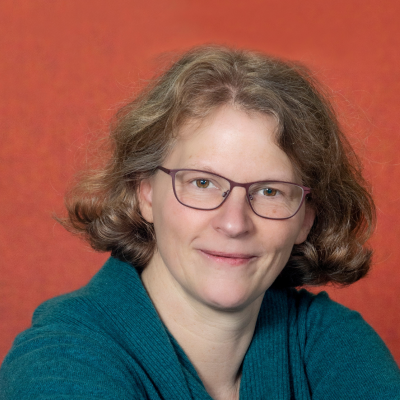
Professor Petra Meier, Professor of Public Health at the University of Glasgow, has been elected for her internationally recognised research on public health policy, prevention and health inequalities, and for demonstrating how rigorous, interdisciplinary research can directly inform public policy and improve population health. She played a pivotal role in developing the Sheffield Alcohol Policy Model, which provided independent, robust evidence that underpinned the introduction of Minimum Unit Pricing in Scotland, Wales and Ireland.
Professor Petra Meier
I am deeply honoured to have been elected a Fellow of the Academy of Medical Sciences. This recognition reflects not only my own work, but many years of collaboration with deeply-committed colleagues, policymakers, and communities to strengthen prevention, reduce health inequalities, and bring rigorous evidence into public policy.
At a time when societies are facing intersecting challenges around health, poverty, climate and wellbeing, I hope to continue contributing to research and partnerships that connect medical sciences more directly with the wider social, environmental and economic conditions shaping population health.
Professor Petra Meier
Professor Dyfrig Hughes, Professor of Pharmacoeconomics at Bangor University, has been elected for his influential work in health technology assessment and medication adherence, which has helped shape healthcare policy across the nations of the UK. His research on the cost-effectiveness of medicines has directly informed clinical decision-making and NHS policy, while his advisory roles with national and international bodies have helped ensure new medicines are used in ways that are effective, equitable and deliver real value for patients and health systems.
Professor Dyfrig Hughes
I am honoured and delighted to have been elected to the Fellowship of the Academy of Medical Sciences. This recognition reflects many years of collaborative work with colleagues, partners and students, whose contributions have been central to advancing research on the optimal use and value of medicines.
I look forward to contributing to the Academy’s activities and working with Fellows to further strengthen the evidence base for health policy across the UK and beyond.
Professor Dyfrig Hughes
Dr Natalie Mount, CEO of Cytospire Therapeutics, has been elected for her outstanding leadership in translational science and entrepreneurship, bridging academic discovery, biotechnology and patient impact. With more than 30 years’ experience across pharma, biotech and academia, she has played a pivotal role in translating pioneering antibody, cell and gene therapies into viable products, founding three successful UK start‑ups and was recently recognised as Cancer Research Horizons’ Woman Entrepreneur of the Year 2025 for her impact on innovation and scientific leadership.
I am honoured to be elected a Fellow of the Academy of Medical Sciences. Throughout my career to date, I have had the opportunity to work with fantastic teams of scientists and clinicians on potentially transformational approaches. Together, we have sought to advance novel antibody, cell and gene therapies to translate scientific promise into a new generation of medicines to meet the needs of patients.
The pace of innovation in this field is remarkable, and I remain committed to supporting collaboration across academia and industry to ensure these breakthroughs reach patients faster. I would like to thank the Academy for this honour and look forward to contributing to its mission in the years ahead.
Dr Natalie Mount
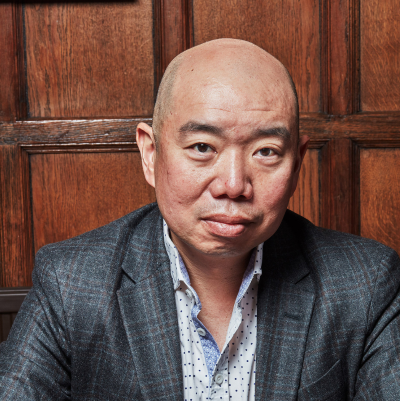
Professor Giles Yeo, Professor of Molecular Neuroendocrinology at the Institute of Metabolic Science-Metabolic Research Laboratories University of Cambridge, has been elected for his internationally recognised work on the genetics and neuroscience of obesity, and for his leadership in communicating science to the public.
Professor Yeo is one of the few scientists worldwide mapping the neural circuits that control feeding directly in the human brain, helping to transform understanding of appetite, body weight regulation and metabolic disease. His research has made important contributions to identifying genetic variants that underpin human obesity and to characterising the hypothalamic neurons that regulate hunger and satiety.
Professor Giles Yeo
I am deeply honoured to have been elected to the Fellowship of the Academy of Medical Sciences. This recognition reflects the support and contributions of colleagues and students, past and present, whose collaboration has been central to my work. There remains much to do to challenge weight stigma in society, and I look forward to contributing to the Academy’s mission to advance medical science for the benefit of all.
Professor Giles Yeo
Among the 2026 Fellows is Professor Louise Kenny, Professor of Maternal and Foetal Health at the University of Liverpool and Chair of the Northern Health Science Alliance, who has been actively involved in the Academy’s convening work strengthening links with partners across the North of England.
Also elected this year is Professor Alastair Denniston, Chair of Regulatory Science and Innovation at the University of Birmingham, who has contributed to the Academy’s leadership, policy and development activities. Professor Denniston was a participant in the Academy’s FLIER programme in 2020 and a recipient of an Academy of Medical Sciences Starter Grant (Round 5) earlier in his career.
The 2026 cohort also includes other Starter Grant alumni, including Professor Sonia Gandhi (Francis Crick Institute), Professor Thushan de Silva (University of Sheffield), Professor James Lee (Francis Crick Institute) and Professor James Ware (Imperial College London).
It is a privilege to welcome this outstanding new cohort to the Fellowship of the Academy of Medical Sciences. Each of our new Fellows has been recognised by their peers for exceptional achievement for the influence their work has had in advancing medical science and improving health.
The diversity of disciplines represented this year reflects the richness of modern medical science and the value of collaboration across fields. At a time when health challenges are increasingly complex, the Academy’s Fellowship provides a trusted, independent platform for scientific leaders to work together, champion excellence, and help ensure research delivers real benefits for people and communities.
Professor Andrew Morris CBE FRSE PMedSci, President of the Academy of Medical Sciences
The new Fellows will be formally admitted to the Academy at a ceremony on Tuesday 30 June.
Ms Charlotte Allerton, ViiV Healthcare
Professor Daniel Altmann, Imperial College London
Professor Richard Anderson, University of Edinburgh
Professor Antonis Antoniou, University of Cambridge
Professor Louis Appleby, University of Manchester
Professor Elaine Bignell, University of Exeter
Professor Alessio Ciulli, University of Dundee
Professor Helen Cross, University College London (UCL)
Professor Alastair Denniston, University of Birmingham
Professor Tao Dong, University of Oxford
Professor Marc Dweck, University of Edinburgh
Professor Thushan de Silva, University of Sheffield
Dr Lindsay Edwards, Relation Therapeutics
Professor Pietro Fratta, University College London
Professor Sonia Gandhi, Francis Crick Institute
Professor Richard Grieve, London School of Hygiene & Tropical Medicine
Professor Joseph Hajnal, King’s College London
Professor Kara Hanson, London School of Hygiene & Tropical Medicine
Professor Liam Heaney, Queen’s University Belfast
Professor Edith Heard, Francis Crick Institute
Professor Kerry Hood, UKCRC Clinical Trials Unit Network
Professor Dyfrig Hughes, Bangor University
Professor Ann John, Swansea University
Professor Louise Jones, Queen Mary University of London
Professor Paul Kellam, Imperial College London
Professor Louise Kenny, University of Liverpool
Professor James Lee, Francis Crick Institute
Professor Cathryn Lewis, King’s College London
Professor Anne Lingford Hughes, Imperial College London
Professor Frances Mair, University of Glasgow
Professor Richard Martin, University of Bristol
Professor John McCafferty, University of Cambridge
Professor Petra Meier, University of Glasgow
Dr Veronique Miron, University of Edinburgh
Dr Natalie Mount, Cytospire Therapeutics
Dr Jyoti Nangalia, Wellcome Sanger Institute
Professor James Nathan, University of Cambridge
Professor Mark Nelson, University of Vermont
Professor Kypros Nicolaides, King’s College London
Professor Courtenay Norbury, University College London (UCL)
Professor Kathryn North, Murdoch Children’s Research Institute
Professor Mariagrazia Pizza, Imperial College London
Professor Stefano Pluchino, University of Cambridge
Professor Andrew Prendergast, Queen Mary University of London
Professor Oliver Pybus, Royal Veterinary College, London and University of Oxford
Professor Julian Savulescu, University of Oxford
Professor Emily Sena, University of Edinburgh
Professor Manu Shankar Hari, University of Edinburgh and King’s College London
Professor David Sharp, Imperial College London
Professor Christian Siebold, University of Oxford
Professor Tim Somervaille, CRUK Manchester Institute
Professor Michael Sternberg, Imperial College London
Dr Nicolas Tapon, Francis Crick Institute
Professor David Taylor Robinson, University of Liverpool
Professor Samra Turajlic, CRUK Manchester Institute
Professor George Vassiliou, University of Cambridge
Professor James Ware, Imperial College London and MRC Laboratory of Medical Sciences