Fellows mentioned
Did you know that 16% of UK adults age 16 and above regularly use AI tools for health information? And younger people are increasingly turning to social media for their health information – 40% of Generation Z get their health information from social media, compared to 22% of older generations, according to YouGov research.
The rise of health information on non-traditional platforms has led to greater concerns about health misinformation. According to polling we commissioned with IPSOS, two thirds of UK adults (67%) see health misinformation as a significant or very serious problem, and 89% believe it puts lives at risk.
67%
of UK adults see health misinformation as a significant or very serious problem.
89%
of UK adults believe health misinformation puts lives at risk.
However, there is a 41-percentage point difference between how difficult people think it is for others to spot misleading health information, and how difficult they say it is for themselves. More than two-thirds (69%) of UK adults say it is difficult for the public to spot misleading health information, but only 28% say they personally find it difficult. The gap suggests people are more likely to see health misinformation as a problem for others than for themselves.
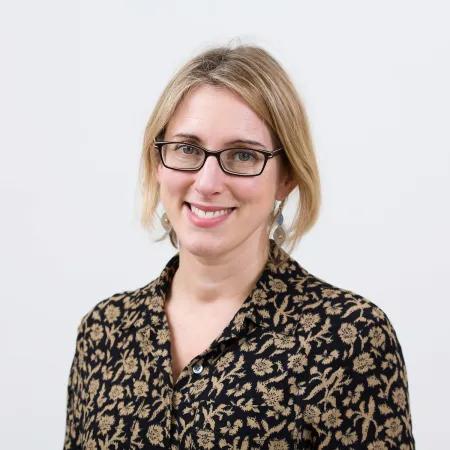
Professor Sarah-Jayne Blakemore FRS FBA FMedSci
We have an optimism bias. We know from psychological research that none of us is immune to misinformation, particularly when it reinforces our existing beliefs, appeals to emotion or comes from sources we trust.
Sarah-Jayne Blakemore FRS FBA FMedSci Professor of Psychology and Cognitive Neuroscience, University of Cambridge
Some groups – including men (46% compared with 35% women), younger people (49% 16-24 compared with 31% 75+) and those of white ethnic backgrounds (42% compared with 31% ethnic minority backgrounds) – were more likely to say they personally find it easy to spot misleading health information. While further research is needed to understand what sits behind these differences, the findings point to a disconnect between how seriously people take health misinformation as a societal problem and how exposed they believe themselves to be. The Academy says more work is needed to understand what sits behind this gap.
Watch: Can you spot health misinformation?
Our silent video summarises information covered in this analysis piece.
The survey also revealed nearly half of respondents (44%) use general internet searches regularly for health information, yet only 2% name them as their most trusted source. By contrast, 49% trust their GP most for health information and 37% trust the NHS website most.
Who is most affected by health misinformation?
Nearly one in five UK adults (17%) say they have been personally affected by misleading health information. However, the impact is not felt equally across society. The proportion rises to 22% among people living in the most deprived areas, 26% among those with a long-term health condition and 27% among people from ethnic minority backgrounds.
17%
of UK adults say they have been personally affected by misleading health information.
49%
of UK adults trust their GP most for health information.
People who report being affected by misleading health information are also less likely to use the sources that the public trusts most. This is particularly true in more deprived communities, where only 66% say they know where to find trustworthy health information, compared with 78% in the least deprived areas. They are also less likely to use the NHS website as a regular source of health information (75% in most deprived vs. 85% least deprived).

Professor Vittal Katikireddi FRSE FMedSci
There is an urgent need to ensure we work with local communities to provide useful and accessible health information that is tailored to different people's needs, as well as addressing the longstanding and unequally experienced barriers to healthcare access.
Professor Vittal Katikireddi FRSE FMedSci Professor of Public Health and Health Inequalities, University of Glasgow
Fertility and reproductive health misinformation exposed

The findings suggest some forms of health misinformation are highly visible to the public. However, the polling also points to areas that may be less readily recognised.
UK adults recognise vaccine (56%), cancer (36%) and dietary misinformation (41%) as major risks, but are much less likely to identify fertility and reproductive health misinformation as a serious area of concern (7%), despite growing evidence that it is widespread online.
Women (8%) and younger adults (14% under 35) were more likely than the wider public to identify fertility and reproductive health as an area of concern, suggesting that awareness of misinformation risks may be shaped by lived experience and personal relevance.
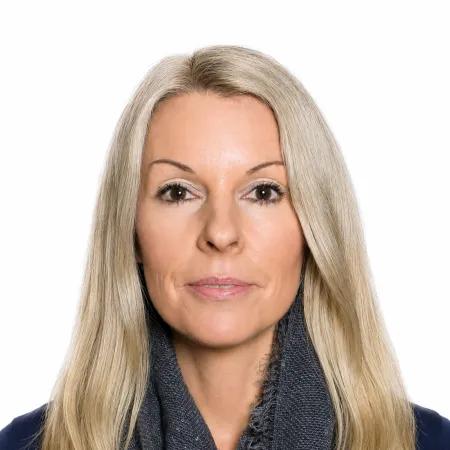
Fertility misinformation is not widely recognised as a significant issue, despite the volume of unregulated content circulating on social media and other digital platforms. Improving access to clear, evidence-based information from trusted healthcare professionals and patient organisations is essential to counter misinformation and support informed reproductive health decisions.
Gwenda Burns, Chief Executive, The Fertility Alliance
Trust and the rise of AI
AI tools are now a regular source of health information for 16% of UK adults, with use higher among 25- to 34-year-olds at 24% and among people from ethnic minority backgrounds at 28%. Yet only 13% of adults say AI-generated health information is trustworthy, and only 1% say they trust AI tools more than any other source.
16%
of UK adults say they use AI tools as a regular source of health information.
1%
of UK adults say they trust AI tools more than any other source.
Younger adults, who are also the heaviest users of AI for health information, were among the groups most likely to flag fertility and reproductive health as an area of misinformation concern.
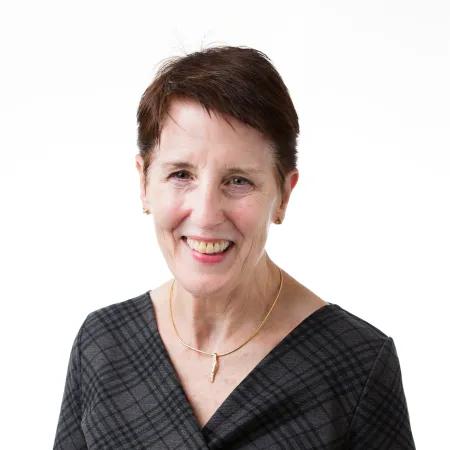
AI is increasingly used by the public as a source of health information. Used well, it could help direct people to trusted sources, but it can also mislead more convincingly than earlier forms of misinformation, target specific groups and exploit uncertainty.
Professor Yvonne Doyle CB FMedSci Former Medical Director, Public Health England
What should we do?
Increasing public trust in medical science, particularly in an era of global misinformation, is a strategic priority for the Academy.
Professor Sir Andrew Morris CBE FRSE PMedSci, President, Academy of Medical Sciences
The Academy of Medical Sciences has made increasing public trust in medical science, particularly in an era of global misinformation, a strategic priority. This polling is the first step in a wider programme of work bringing together the Academy’s Fellowship, charities, healthcare professionals, public contributors and wider sector partners to understand how misleading health information spreads, who it affects and what helps people find reliable advice.
Read more about our work on medical sciences and public trust in our annual assessment of UK medical science.